


Air pollution has become a major environmental challenge across Indian cities. From heavy traffic and construction activities to industrial emissions and waste burning, several sources contribute to poor air quality. Rapid urbanisation, growing energy demand and increasing vehicle numbers have made pollution management an important priority for city authorities, businesses and residents.
Understanding the causes of air pollution is the first step towards developing practical solutions. Different cities experience different pollution patterns depending on their industries, road networks, weather conditions and surrounding geography. For a broader overview of these contributing factors, readers can explore Aceget’s guide on the Top Causes of Air Pollution in Indian Cities.
1. Vehicular Emissions and Road Traffic
Road transport is an important source of urban air pollution. Cars, buses, trucks, motorcycles and other vehicles release pollutants through fuel combustion. Depending on the vehicle and operating conditions, these emissions can include nitrogen oxides, particulate matter, carbon monoxide and other harmful substances.
Traffic congestion can increase fuel consumption and emissions, particularly when vehicles repeatedly accelerate, brake or remain idling. Older vehicles and poorly maintained engines may also contribute to local pollution.
Cities can address this challenge through better public transport, improved traffic management, vehicle maintenance, cleaner fuels and the adoption of lower-emission transport options. Learn more about this issue in Aceget’s article on How Vehicular Emissions Contribute to Urban Pollution.
2. Industrial Emissions
Factories, manufacturing facilities and industrial operations may release particulate matter, gases and other pollutants through fuel combustion and production processes. The scale and composition of emissions depend on the industry, equipment, fuel type and effectiveness of pollution-control systems.
Industrial areas located close to residential neighbourhoods can make air-quality management particularly important. Businesses should identify relevant emission sources, maintain equipment, monitor performance and follow applicable environmental requirements.
Regulatory guidance and technical standards help industries understand their responsibilities. The Central Pollution Control Board (CPCB) provides information related to pollution control, environmental standards and monitoring in India.
3. Construction and Road Dust
Construction projects, demolition work, excavation, uncovered building materials and dust on roads can contribute to airborne particulate matter. Vehicles travelling over dusty roads may resuspend settled particles, spreading them into surrounding areas.
Dust pollution can become more noticeable during dry weather and in locations with heavy construction activity. Practical control measures include covering transported materials, managing debris, using suitable dust-suppression methods, maintaining construction-site cleanliness and preventing soil or aggregate from spreading onto public roads.
For a more detailed explanation, read How Construction Dust Adds to City Pollution in India.
4. Diesel Generator Emissions
Diesel generator sets provide backup electricity to commercial buildings, hospitals, factories, telecom installations and other facilities. However, diesel combustion can produce particulate matter, nitrogen oxides and other exhaust pollutants. The actual emissions depend on factors such as engine design, maintenance, fuel quality, load and operating conditions.
Generators may be particularly important to consider in areas where backup power is used frequently. Businesses should follow the applicable requirements for their generator category, installation and location, and maintain their equipment properly.
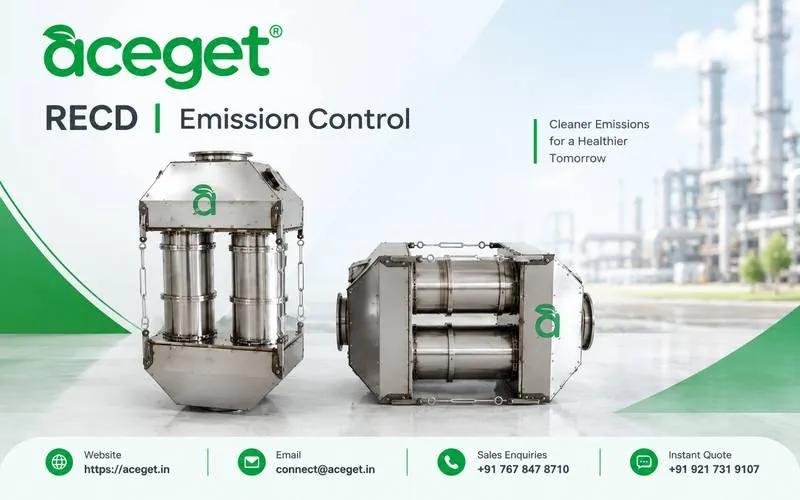
Where appropriate and permitted, a Retrofit Emission Control Device (RECD) may help reduce particulate emissions from compatible diesel generator sets. Selection should be based on technical suitability, applicable regulatory requirements and supporting test documentation rather than marketing claims alone.
Explore Aceget’s RECD for DG Set solutions to understand retrofit emission-control options. For technical planning, it is also useful to review How Exhaust Backpressure Affects DG Set Performance and RECD Efficiency.
An RECD is not a complete solution for every air pollutant or every compliance requirement. Its suitability and performance should be verified for the particular generator and application.
5. Waste Burning and Open Fires
Open burning of household waste, leaves, packaging materials and other refuse can release smoke, fine particles and harmful gases. Burning mixed waste is especially concerning because some materials may release hazardous compounds.
Such activities can create concentrated pollution near homes, markets, roadsides and waste-disposal locations. Better waste collection, segregation, recycling, composting and enforcement against prohibited burning can help reduce these emissions.
Residents and businesses can contribute by disposing of waste through authorised systems instead of burning it in the open.
6. Household and Commercial Fuel Use
The use of solid fuels for cooking, heating or other activities can contribute to air pollution. Commercial kitchens, small businesses and certain industrial processes may also release pollutants depending on the fuels and equipment used.
Cleaner energy options, proper ventilation, efficient equipment and regular maintenance can reduce emissions. Indoor and outdoor air pollution are connected, although their sources and exposure patterns can differ.
7. Power Generation and Fuel Combustion
Electricity generation and other fuel-burning activities can contribute to emissions, particularly where fossil fuels are used. The impact on a particular city depends on the location of the source, emissions controls, weather and how pollutants travel through the atmosphere.
Energy efficiency, cleaner energy sources and effective pollution-control technology can help reduce emissions. Organisations should assess both routine energy consumption and backup-power requirements when developing an environmental management plan.
8. Seasonal Weather and Temperature Inversions
Weather conditions do not necessarily create pollution, but they can affect how pollutants disperse. Low wind speeds, limited atmospheric mixing and temperature inversions can trap pollutants closer to the ground. Dry conditions can also increase dust, while seasonal changes may alter the contribution of different emission sources.
This is one reason air quality can vary significantly between seasons and locations. In parts of northern India, winter weather can worsen pollution episodes when combined with emissions from transport, industry, dust and other sources.
For more context, read Why Delhi’s AQI Increases in Winter: Main Causes Explained.
How Can Indian Cities Reduce Air Pollution?
No single measure can eliminate urban air pollution. Effective strategies combine source reduction, monitoring, enforcement and public participation.
Important steps include:
Improve public transport: Encourage reliable buses, metro services, walking and cycling where infrastructure allows.
Control construction dust: Apply suitable dust-suppression practices and keep construction materials covered.
Maintain industrial equipment: Identify emission sources and ensure that pollution-control systems operate as intended.
Manage DG set emissions: Maintain generators and assess suitable emission-control technologies in accordance with applicable requirements.
Prevent open waste burning: Strengthen waste collection, segregation and authorised disposal.
Expand air-quality monitoring: Use reliable monitoring information to identify pollution trends and support targeted action.
Follow official guidance: Check current requirements issued by the relevant pollution-control authorities for the location and activity.
The CPCB’s official website is a useful starting point for Indian pollution-control information. People can also consult the CPCB Air Quality Index portal to check available air-quality information. The World Health Organization’s air pollution resources explain the health significance of polluted air and the importance of reducing exposure.
The Role of Businesses in Cleaner Urban Air
Commercial and industrial organisations can support cleaner air by reviewing their emissions, maintaining combustion equipment, improving energy efficiency and choosing pollution-control systems suited to their operations.
For facilities that use diesel generator sets, an emissions assessment can help determine whether maintenance, operational changes or a suitable retrofit solution is appropriate. Before selecting a device, buyers should confirm compatibility, performance documentation, installation requirements and the regulations applicable to their location.
Aceget provides information about Retrofit Emission Control Devices for DG Sets. Organisations should evaluate each solution against their specific technical and regulatory needs.
Frequently Asked Questions (FAQs)
1. What are the main causes of air pollution in Indian cities?
Major contributors can include vehicle exhaust, industrial emissions, construction and road dust, diesel generator exhaust, waste burning, fuel combustion and seasonal weather conditions that limit pollutant dispersion. The relative contribution varies by city and season.
2. How does traffic contribute to poor air quality?
Vehicles release pollutants during fuel combustion. Congestion, idling, high traffic volumes and poorly maintained engines can increase emissions in busy urban areas.
3. Can construction activities increase particulate pollution?
Yes. Excavation, demolition, uncovered materials and road dust can release or resuspend particles. Appropriate dust-control practices can reduce their spread.
4. Do diesel generators contribute to air pollution?
Diesel generators can emit particulate matter, nitrogen oxides and other combustion pollutants. Emissions depend on the engine, its condition, fuel, load and operating practices. Applicable standards and control measures should be checked for each installation.
5. Can an RECD control all emissions from a diesel generator?
No. An RECD’s capabilities depend on its design and tested performance. A device intended to reduce particulate matter should not automatically be assumed to control every gaseous pollutant or satisfy every regulatory requirement.
6. Where can I find reliable information about air pollution in India?
The Central Pollution Control Board, its Air Quality Index portal and the World Health Organization’s air pollution resources are useful starting points.
Conclusion
Air pollution across Indian cities results from multiple sources, including transport, industry, dust, waste burning, fuel combustion and seasonal weather patterns. The most effective response is to identify the major local sources and reduce emissions through better planning, maintenance, monitoring and appropriate pollution-control measures.
Businesses that operate diesel generator sets should pay particular attention to equipment condition, exhaust emissions and applicable requirements. With informed decisions and coordinated action, cities and industries can make progress towards cleaner air and healthier urban environments.